Sustainability for Teens: Where to Shop?
August 26, 2026 · 4 min read
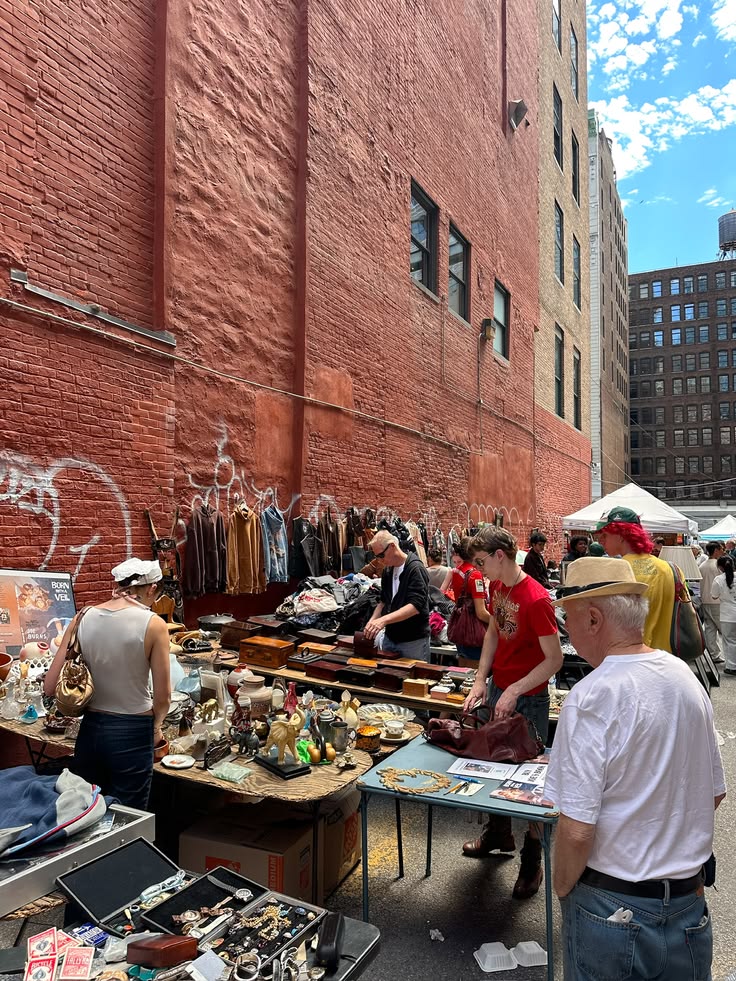
Being a teen in New York City can be overwhelming. In a city bustling with businesses big and small, it can be hard to decide where to shop. Big shopping centers have their appeal — there's nothing quite like parading through Soho, with a rainbow of clothes, makeup, and shoes everywhere you look. How can you not be swept away by the flashy window displays of mannequins styled in the latest trends?
But behind the rose-tinted lenses, the reality is that there's nothing flashy or colorful about the lifetime of these clothes.
Each year, about 80 billion pieces of clothing are consumed worldwide. Where these clothes come from is no secret: the fashion industry employs roughly 60 million factory workers, and less than 2% of them earn a livable wage for their intensive physical labor. Unskilled tasks are often done by children, and up to 8,000 harmful synthetic chemicals can be used in the garment-making process. Many garment workers labor 7 days a week, up to 16 hours a day, in conditions the European Parliament has described as "slave labor." [1]
Despite the exploitative process that goes into making them, the clothes don't last long — and after they're consumed, they don't just disappear. 85% of consumed textiles end up in landfills each year. Because many contemporary clothing items are made entirely of polyester, nylon, or acrylic, they don't break down the way cotton does. Instead, they can take up to 200 years to fully decompose, leaching microplastics into the earth and harming the health of our environment, our wildlife, and even ourselves. [1]
That truth can be discouraging. It isn't an exaggeration to say that, more often than not, the clothing we wear every day comes from dark origins. Yet that doesn't have to be the whole story. There are alternatives to the fast fashion we're used to — ones that take ethical production and ecological materials into account, and they don't have to be as expensive as you'd think. Thrift stores, small businesses, and online secondhand clothing can all be sustainable ways to keep up with the latest fashion trends. Below are a few of my favorites and some of New York's most famous spots to dress sustainably!
Dig Your Way Through the Latest Trends
Goodwill NYNJ Outlet Store & Donation Center, Long Island City (47-47 Van Dam St, Long Island City, NY 11101). New York City's most affordable chain thrift store is right in the heart of Long Island City, housing bins and bins full of donated clothing. With a pay-by-the-pound system, the clothes here are among the cheapest in the city while being secondhand and therefore a sustainable option. It's also home to housewares, shoes, and bags — all cheaper than retail and with a smaller ecological footprint.
Beacon Has an Awesome Closet
Beacon's Closet, Buffalo Exchange, Crossroads, L-Train Vintage, Reshop, and Thrift NYC, just to name a few! Listed above are some of New York City's most famous thrift stores, home to the cutest secondhand clothes. Across the city, these stores run the thrifting game. Check out the interactive map featured below to find some of my favorite locations.
Vintage Chic
Flamingo's Vintage Pound (110 W 26th St, New York, NY 10001). New York is home to so many awesome vintage stores, curated for quality, care, and style. This funky pink stop is one of my personal favorites. It may not be as affordable as the common chain thrifts, but it's still a reliable secondhand spot. Looking for a new jacket? A college tee? Weathered jeans? This place is just for you. With its bright pink walls and dressed-up mannequins, it's hard to miss — and it's located right in New York's thrifting hotspot.
Cotton, Cotton, and More Cotton
Everlane (28 Prince St) and Miakoda (109 W 14th St, New York, NY 10011). Retail isn't always all evil. Many sustainable stores are spread out across the city that use only natural materials, such as 100% organic cotton. These clothes are made in small batches, avoiding overproduction and the waste that follows.
Sustainability at Your Doorstep
Poshmark, Depop, eBay, and more! Don't want to travel too far to bring your secondhand clothes home? Online secondhand stores are always an option. These three websites are among the biggest online storefronts and offer not only secondhand clothing but also housewares, footwear, and even handmade crafts on eBay.
[1] Statistics and the "slave labor" characterization in this post are drawn from "Fast Fashion Getting Faster: A Look at the Unethical Labor Practices Sustaining a Growing Industry," GW Law International Legal Perspectives Blog, October 28, 2021: https://studentbriefs.law.gwu.edu/ilpb/2021/10/28/fast-fashion-getting-faster-a-look-at-the-unethical-labor-practices-sustaining-a-growing-industry/